


Call Us Today!
Call Us Today!

To prepare your yard for new sod in New Orleans, clear the area, kill and remove old grass and weeds, loosen and amend the soil, grade it for drainage, then rake it smooth and firm. Good prep is what separates sod that roots fast from sod that struggles, and in our heavy clay soils it matters more than almost anywhere.
Laying sod is the fast way to a finished lawn, but the roll of grass is only as good as the ground underneath it. New sod has to push fresh roots into your soil within the first couple of weeks, and it can only do that if the surface is loose, level, and ready to receive it. In the New Orleans area, where soils run to dense clay and lots sit low and flat, proper yard preparation is the single biggest factor in whether a new lawn thrives or sulks. Here is how to get the ground right before the first roll goes down.
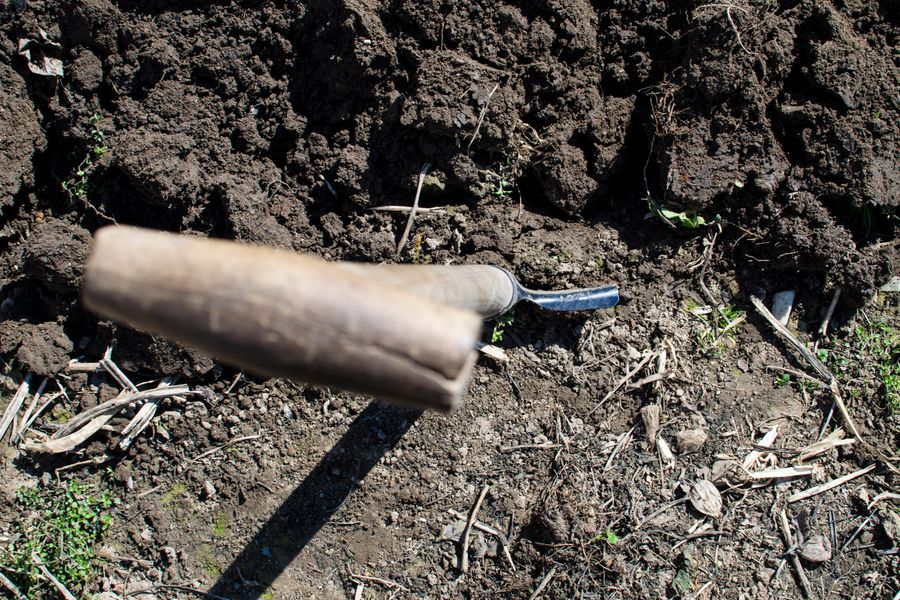
Our region hands homeowners two soil challenges at once. First, the clay. Gulf-Coast clay holds water and compacts hard, so roots struggle to penetrate it unless it is loosened first. Second, drainage. Flat, low-lying yards let water pool, and sod sitting in standing water will rot before it roots. Prep solves both: loosening the soil gives roots somewhere to go, and grading moves water away so the lawn never drowns.
Skip the prep and you can lay perfect sod and still end up with brown patches, slow rooting, and uneven settling a month later. Do the prep well and even an average install knits in quickly. It is genuinely the step that pays you back the most.
Start by removing whatever is already there. Strip out old grass, weeds, rocks, roots, and construction debris so the sod rests on clean soil. For an existing lawn, the cleanest approach is to kill the grass first with a non-selective herbicide, wait for it to die back, then remove the dead layer, or cut it out with a sod cutter. You want bare soil to work with, not a layer of old thatch trapped under the new grass.
Till or turn the top 4 to 6 inches so the surface is no longer compacted. This is your chance to improve our stubborn clay: work in a couple of inches of compost or quality topsoil to add organic matter, improve drainage, and give new roots an easier path down. If you are unsure what your soil needs, a simple soil test tells you whether to adjust pH or nutrients before planting.
This step is non-negotiable in our climate. Rake the soil so it slopes gently away from your home’s foundation and toward where you want water to drain. A gentle, consistent fall of about an inch every few feet is plenty. The goal is simple: after a heavy Louisiana downpour, water should run off the lawn, not sit on it.
Rake the graded soil smooth, breaking up clods and filling in low spots so the final surface is even. Lightly firm it with a roller or by walking it down, then fill any dips that appear. Water the prepared soil lightly the day before installation so the sod meets cool, moist ground rather than dry dust. Now you are ready to lay.

Yes, sod is meant to go on prepared soil, which is really just clean, loosened dirt. What you should not do is lay sod on hard, compacted, unprepared ground or on top of an existing lawn. Sod laid on packed clay cannot get its roots down, and sod laid over old grass is separated from the soil by a dead layer that blocks rooting and traps moisture. The dirt needs to be loosened, amended, graded, and raked first, exactly as above. Prepared dirt is perfect. Neglected dirt is where lawns fail.
| Step | What to Do | Why It Matters Here |
|---|---|---|
| Clear | Remove old grass, weeds, debris | Sod must contact bare soil to root |
| Loosen & amend | Till 4–6 in., add compost/topsoil | Breaks up compacted Gulf-Coast clay |
| Grade | Slope away from the house | Stops water pooling on flat lots |
| Level & firm | Rake smooth, roll, moisten | Even surface, strong soil contact |
The mistakes we see most often are easy to sidestep. Do not lay sod over an existing lawn to save time; it almost never roots properly. Do not skip grading on a flat lot and assume the water will sort itself out; it will not. Do not leave the soil rock hard; compacted ground is the number-one reason new sod fails to establish. And do not let prepared soil bake dry in the sun for days before the sod arrives. A little attention to each of these makes a visible difference by week three.
Timing matters too. For the best results, prep and lay during the warm growing season. Our guide on the best time to lay sod in Southern Louisiana walks through the ideal windows by season and grass type.
Proper prep is labor, and in our clay it is real work. If you would rather skip the tilling, grading, and hauling, our crew does all of it as part of a professional install. At TurnKey Sod, we assess your soil and drainage, prep the site correctly, and match the right grass variety to your yard so the lawn establishes the first time. If you want a hand, reach out for a free estimate.
Contact TurnKey Sod today for a free estimate on professional sod installation across Greater New Orleans, with our best price guaranteed. Call (504) 569-5437.
From Mandeville to Slidell and Hammond, TurnKey Sod delivers and installs premium sod across the Greater New Orleans region. Explore the areas we serve.
Clear out old grass, weeds, and debris, then loosen the top 4 to 6 inches of soil and mix in compost or topsoil. Grade the surface so it slopes away from the house, rake it smooth and level, firm it lightly, and water it before the sod arrives.
Yes, as long as the dirt is prepared. Loosen, amend, grade, and rake it first. Never lay sod on hard, compacted ground or over an existing lawn, because the roots cannot establish through those layers.
Yes. Kill and remove the existing grass first so the new sod rests on bare, prepared soil. A dead layer of old grass or thatch trapped underneath blocks rooting and holds moisture against the new sod.
Loosen the top 4 to 6 inches. That is deep enough to break up our compacted clay and work in organic matter, giving new roots an easy path down without disturbing the grade too much.
Our flat, low-lying lots and heavy clay let water pool easily, and sod sitting in standing water rots before it roots. Grading the soil to shed water away from the house protects the new lawn through our heavy rains.
 TurnKey Sod