


Call Us Today!
Call Us Today!

For most New Orleans lawns, sod is the better choice. It gives you a finished, usable lawn in days instead of months, resists weeds and washout from the start, and can be laid almost year-round in our climate. Seed costs less up front, but it is slow, fragile, and easily defeated by our heat, heavy rain, and aggressive weeds.
When you want a new lawn in the New Orleans area, you have two real options: lay sod or sow seed. Both can grow grass, but they are very different experiences in our climate. One gives you a green, walkable yard almost immediately. The other asks for months of patience and a lot of things to go right. Here is an honest comparison, and why sod tends to be the smarter pick for Gulf-Coast homeowners.
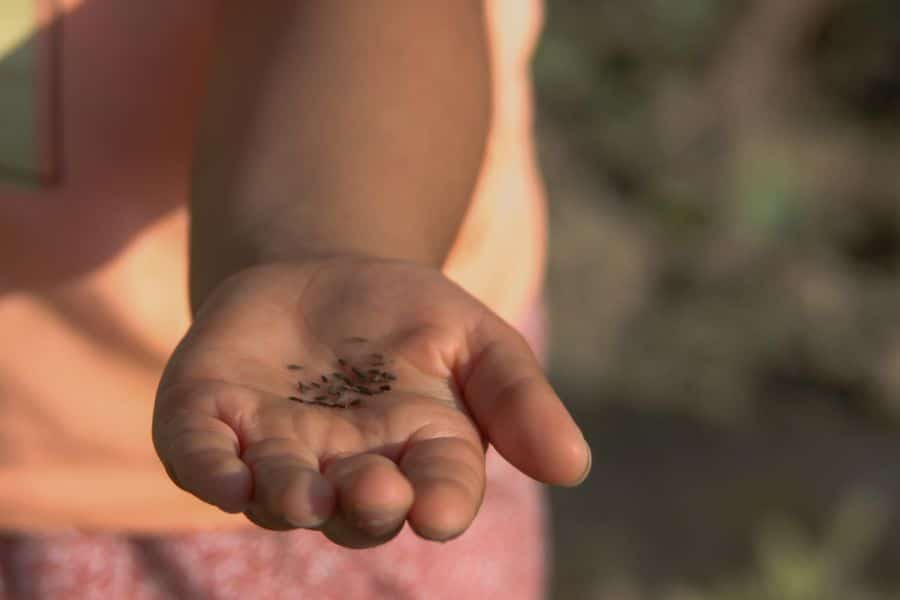
Sod is mature grass, already grown on a farm, that is harvested in sections with its roots and a thin layer of soil intact. You lay it down and you have a complete lawn the same day. Seed is exactly what it sounds like: tiny grass seeds you spread over prepared soil and then nurture through germination, sprouting, and slow fill-in over many weeks or months. With sod you are installing a lawn. With seed you are growing one from scratch, and hoping the weather, birds, and weeds cooperate the whole way.
| Factor | Sod | Seed |
|---|---|---|
| Time to a usable lawn | Instant; rooted in 2–3 weeks | Months to fully fill in |
| Upfront cost | Higher | Lower |
| Erosion & washout control | Excellent immediately | Poor until established |
| Weed resistance | Strong from day one | Weak; weeds compete early |
| Planting window | Nearly year-round here | Narrow, timing-sensitive |
| Success rate | Very high | Variable |

Our region is tough on new grass, and that is exactly where sod shines. Seed needs weeks of steady, mild conditions to establish, but our summers are hot, our rains come hard and fast, and our weeds are relentless. A heavy downpour can wash newly sown seed clean off a yard overnight. Sod, by contrast, is already a dense mat of living grass. It holds the soil in place from the moment it goes down, shrugs off a hard rain, and leaves no bare ground for weeds to invade.
There is also the flood-and-erosion factor. On our low, flat lots, bare soil moves when the water rises. Laying sod locks the surface down right away, which protects both your yard and your investment. And because our winters are mild, sod can be installed across most of the year, so you are not stuck waiting for a perfect seeding window that our climate rarely delivers. If you want the details on timing, see our guide on the best time to lay sod in Southern Louisiana.
Yes. Sod is 100 percent real, living grass. It is simply grown to maturity on a sod farm, then cut into sections with the roots and a thin layer of soil still attached so it can be transplanted to your yard. The varieties we carry, including Bermuda, Centipede, St. Augustine, and Zoysia, are the same natural grasses you would grow from seed, just already established and ready to root. It is not artificial turf and it is not a mat of fake grass. It is a real lawn with a head start.
Up front, yes. Sod costs more than a bag of seed because you are buying mature grass plus the labor to grow, cut, and install it. But the comparison is not that simple. Seed demands months of watering, repeated reseeding of thin spots, weed control, and the real risk of a failed attempt that you pay to redo. Sod gives you a complete lawn the first time, usable in weeks, with far less that can go wrong. For many homeowners, the faster result and higher success rate make sod the better value, even at a higher starting price.
The sticker price on a bag of seed only tells part of the story. Seeding a lawn here often means watering two or three times a day for weeks, buying starter fertilizer and weed control, and reseeding the bare or washed-out patches that almost always appear. If a summer storm or a heat wave undoes your progress, you start over and pay again. Those repeat costs and the weeks of effort add up, and they rarely show up in the original budget. Sod folds most of that risk into a single install that works the first time, which is a big part of why it so often comes out ahead over the life of the lawn.
Once sod is down, the hard part is behind you. For the first two to three weeks you keep it well watered while the roots take hold, then you ease into a normal mowing and watering routine. There is no long germination wait, no thin patchy stage, and no scramble to beat the weeds. You go from bare yard to finished lawn and straight into simple upkeep.
To be fair, seed has its place. If you are covering a very large acreage on a tight budget and you are in no hurry at all, seeding can lower the upfront spend. But for a typical residential lawn in the New Orleans metro, where you want a finished yard quickly and reliably, sod is almost always the practical choice.
Choosing between sod and seed really comes down to how fast and how reliably you want results. If a lush, usable lawn in days sounds better than months of uncertainty, sod is your answer. At TurnKey Sod, we help you pick the right grass for your yard, prep the site, and install it so it thrives. For a free estimate, reach out to our team.
Contact TurnKey Sod today for a free estimate on professional sod installation across Greater New Orleans, with our best price guaranteed. Call (504) 569-5437.
TurnKey Sod serves lawns throughout the metro and Northshore, including LaPlace, St. Rose, and River Ridge. Browse all the areas we serve.
For most New Orleans lawns, yes. Sod gives you an instant, usable lawn, controls erosion right away, resists weeds, and can be laid nearly year-round. Seed is cheaper up front but slow and far more likely to struggle in our heat, rain, and weeds.
Yes. Sod is real, living grass grown to maturity on a farm and cut with its roots and a thin soil layer attached. It is the same natural grass you would grow from seed, just already established and ready to root in your yard.
Sod costs more up front because you are buying mature grass and installation. But seed requires months of care, reseeding, and weed control, with a real risk of failure. Many homeowners find sod the better overall value for its speed and reliability.
Sod is usable immediately and roots in about two to three weeks in warm weather. Seed can take several months to fully fill in, and only if conditions stay favorable the entire time.
Largely, yes. Our mild winters allow sod installation across most of the year, with spring through early fall being ideal. Seeding, by contrast, has a much narrower window that our climate rarely cooperates with.
 TurnKey Sod