


Call Us Today!
Call Us Today!

In Southern Louisiana, the best time to lay sod is spring through early fall (roughly April to September), when soil stays above 65°F and warm-season grasses root quickly. Thanks to our mild Gulf Coast winters, sod can go down almost year-round here, but a spring install gives a new lawn the strongest start before summer heat arrives.
New Orleans homeowners have a real advantage when it comes to laying sod. While gardeners up north are locked into a narrow planting season, our long warm season and gentle winters stretch the calendar wide open. Even so, timing still matters. Lay sod at the right moment and it knits into the soil in a couple of weeks. Get the timing wrong and you are fighting heat stress, slow rooting, or a lawn that just sits there looking tired. Here is exactly when to lay sod in Southern Louisiana, broken down by season and by grass type.
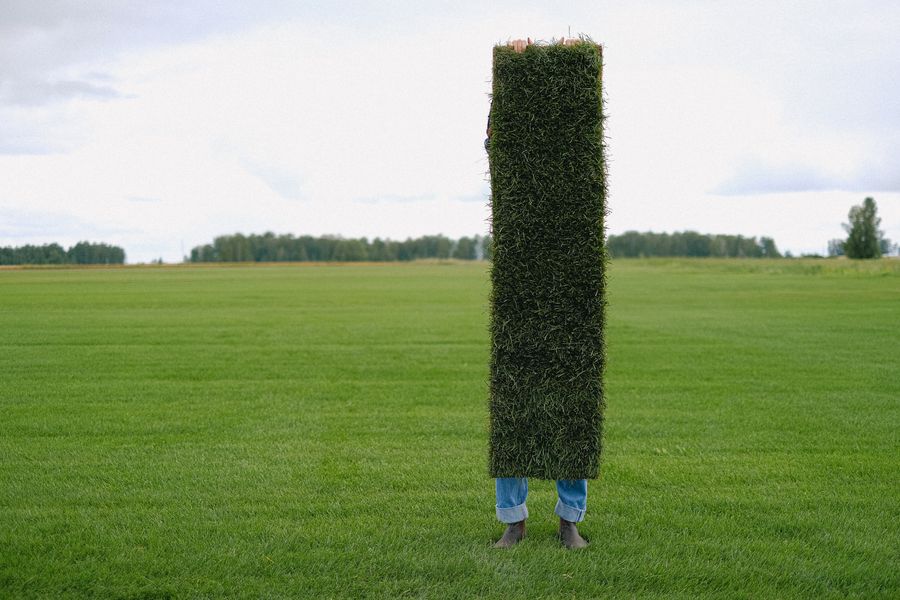
The grasses grown across Southern Louisiana (Bermuda, Centipede, St. Augustine, and Zoysia) are all warm-season varieties. They do their most active growing when soil temperatures sit between 65°F and 90°F, which in our region means roughly April through September. Sod laid in this window puts down roots fast, so it establishes before any weather extreme can set it back.
Spring is the sweet spot. When you install in April or May, the sod has the entire growing season ahead of it to build a deep, healthy root system. By the time the brutal July and August heat rolls in, the lawn is already anchored and far better able to handle it. You can absolutely lay sod in summer too. It is done here constantly; you just have to stay on top of watering while the roots catch up.
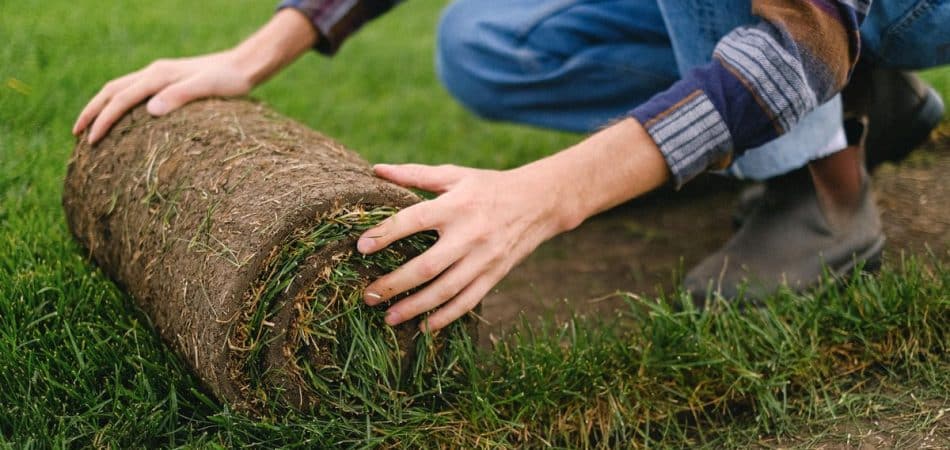
Sod is living grass that has been cut away from its original roots. The clock starts the moment it leaves the farm. Its job in the first two to three weeks is to grow new roots down into your soil, and it can only do that when the soil is warm and consistently moist. Lay it while the soil is actively warm and the grass roots eagerly. Lay it into cold ground and the sod essentially waits, holding on until spring warmth returns before it truly establishes.
Our Gulf-Coast conditions add two local wrinkles. First, summer heat and humidity are intense, so summer installs need disciplined watering to keep the sod from drying out before it roots. Second, our heavy clay soils and flat lots drain slowly, so proper ground prep and drainage matter as much as the calendar. If you want the full rundown on getting the ground ready, our team walks every customer through it before installation day.
All four varieties we install are warm-season grasses, but each has its own ideal planting stretch. Here is how they compare for a Southern Louisiana lawn:
| Grass Type | Best Time to Lay | Notes for Louisiana Lawns |
|---|---|---|
| Bermuda | Late spring – summer | Loves full sun and heat; roots fastest in warm soil. Great for open, sunny yards. |
| Centipede | Late spring – early summer | Low-maintenance; give it the early season to settle before peak heat. |
| St. Augustine | Spring – early fall | Handles shade and humidity well; our most popular local pick. |
| Zoysia | Late spring – summer | Dense and durable; wants warm soil to knit in properly. |
Not sure which grass suits your yard? Our types of grass guide breaks down sun, shade, and traffic needs so you can match the variety to your property.

Yes, you can lay sod in winter here, and it is one of the perks of living along the Gulf Coast. Our winters rarely bring the sustained hard freezes that would make sod installation pointless further north. Sod laid in December or January will hold in place and stay alive, but you should expect its roots to grow slowly until the soil warms back up in spring.
The main things to watch for a winter install are frost and dormancy. If a hard freeze is in the forecast, hold off until it passes. And because warm-season grasses go partially dormant and lose some color in the cool months, a winter-laid lawn may look a little tan until spring green-up. It is establishing underneath; it just is not showing off yet. For most homeowners who want a lawn looking its best quickly, we still recommend the spring-to-fall window.
This is prime time. Soil is warming, rain is regular, and the sod has the whole season to establish. If you are planning a new lawn, aim for spring and you will get the fastest, healthiest result.
Sod roots quickly in summer heat, but it also dries out quickly. Plan to water lightly and often in the first two weeks so the sod never dries before it anchors. Early-morning watering beats the midday sun.
Early fall still offers warm soil and less heat stress, which is easy on new sod. As the season cools, rooting slows, so the earlier in fall you install, the better the establishment before winter.
Installation is doable between freezes, but rooting waits for spring. Choose winter only if you need it done now and you are comfortable with slower establishment and off-season color.
Timing gets you halfway there; preparation and aftercare handle the rest. Whatever season you install in, three things make or break a new lawn: properly graded and loosened soil, immediate and consistent watering, and holding off on heavy foot traffic until the roots take hold. Water is the big one: new sod needs to stay moist while it roots, and the schedule shifts with the season and the heat.
Because our clay soils and flat lots can trap water, good grading and drainage prep are essential before a single roll goes down. This is where working with an experienced local crew pays off. At TurnKey Sod, we assess your soil, prep the site, and lay the right grass at the right time so your lawn establishes the first time. If you have questions about your specific yard, just reach out for a free estimate.
Contact TurnKey Sod today for a free estimate on professional sod installation across Greater New Orleans, with our best price guaranteed. Call (504) 569-5437.
TurnKey Sod installs fresh, locally grown sod throughout the Greater New Orleans area, including Metairie, Kenner, and Covington. See all the areas we serve.
April and May are ideal. Laying sod in mid-spring gives the grass warm soil and the full growing season to build strong roots before summer heat and any winter cool-down.
Yes. Our mild Gulf-Coast winters allow sod installation between hard freezes. The sod will survive, but its roots grow slowly and the grass may look tan until it greens up in spring.
In warm weather, sod usually starts rooting within two to three weeks and is well established in about six weeks. Cooler months slow that timeline considerably.
No. Summer installs are common and successful in Southern Louisiana. The key is watering lightly and often in the first two weeks so the sod stays moist while it roots in the heat.
Keep foot traffic off for the first two to three weeks while roots establish. Wait until the sod is firmly anchored and has grown a bit before the first mow, usually around two to three weeks in warm weather.
 TurnKey Sod